
Horizontal and Vertical Machining: Which CNC Setup Fits the Job?
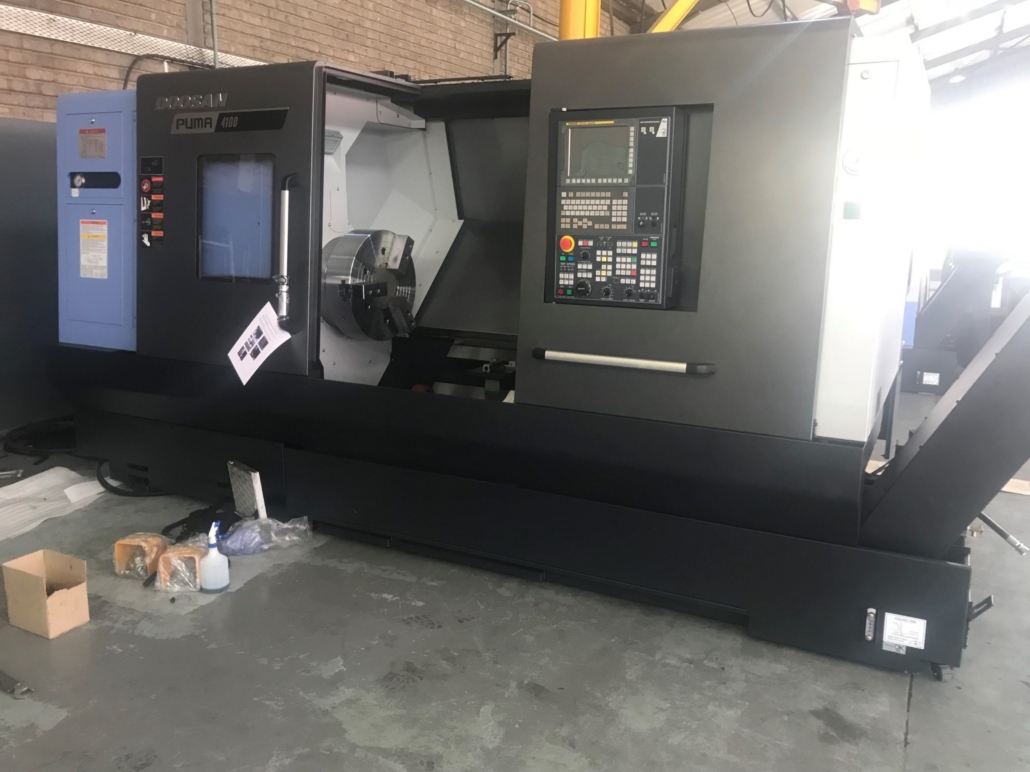
Horizontal and vertical machining are the two main CNC milling layouts used in toolrooms and production shops. Both cut metal with a rotating tool. The difference is spindle orientation — and that changes chip flow, fixture design, cycle time and cost per part.
Vertical machining
On a vertical machining centre (VMC), the spindle points down. The tool approaches the workpiece from above.
Best for:
- Plates, covers, moulds and general 3-axis work
- One- or two-face jobs
- Shorter runs and jobbing shops
- Setups that need easy visibility and simple fixturing
Advantages: lower machine cost, easier programming for many parts, quick changeovers.
Limits: chips can sit on the part, and multi-face work often needs extra setups.
Horizontal machining
On a horizontal machining centre (HMC), the spindle is sideways. Parts usually sit on a tombstone or pallet.
Best for:
- Production volumes
- Parts that need work on several faces
- Heavier cuts and better chip evacuation
- Unattended or pallet-pool running
Advantages: chips fall away, multiple sides can be cut in one clamping, higher spindle utilisation.
Limits: higher capital cost and more fixture planning.

